
India's BHASHINI and NIELIT team up to bring multilingual AI into technical learning
A new agreement between BHASHINI and NIELIT will explore using AI translation and speech tools across technical courses and digital learning, helping more students access technology education in Indian languages.
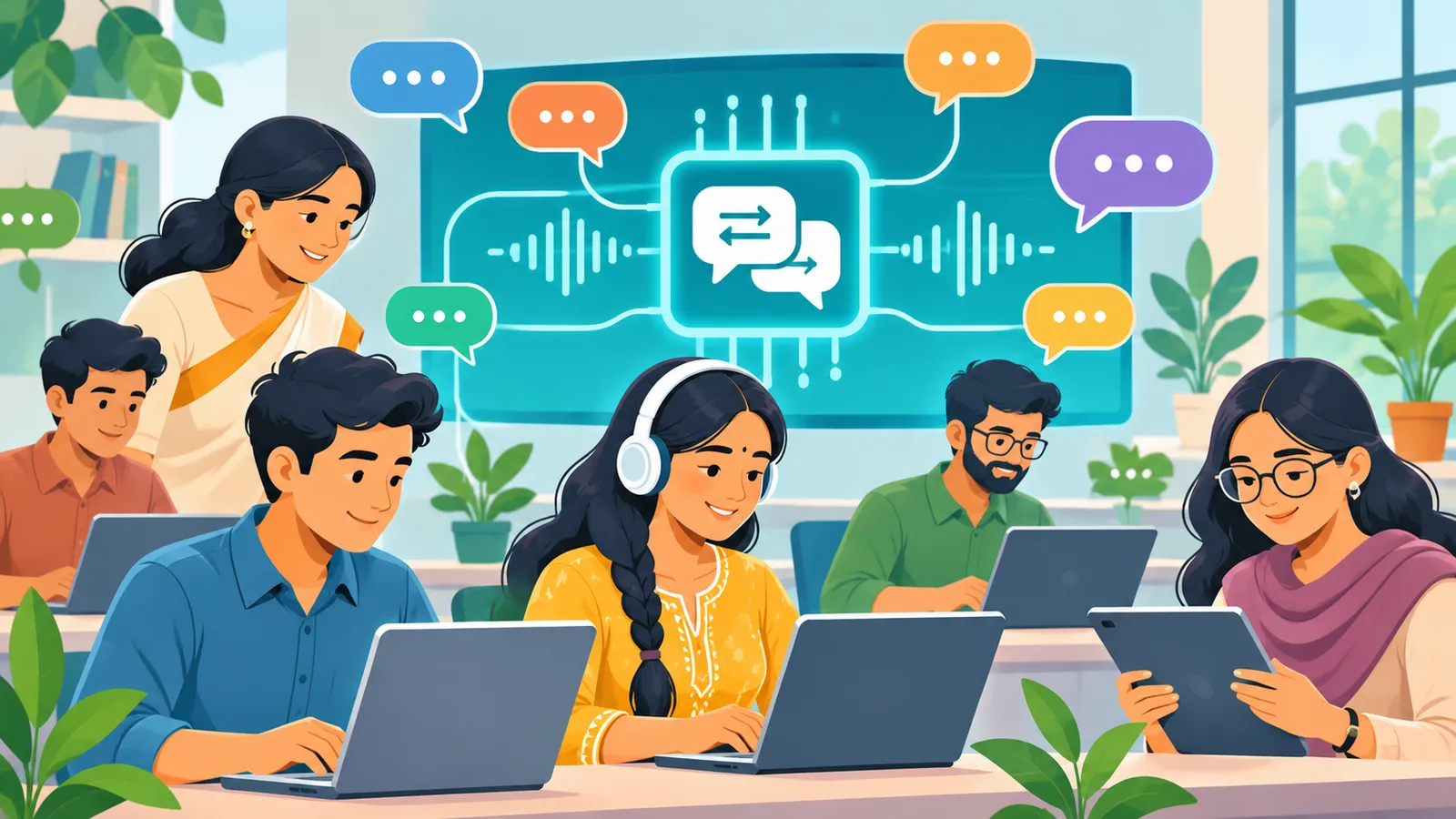
India's push for multilingual AI learning has gained a new institutional partnership, aimed at making digital learning more accessible across languages. The Digital India BHASHINI Division and the National Institute of Electronics and Information Technology (NIELIT) exchanged a memorandum of understanding on November 19 to explore the use of multilingual artificial intelligence in technical education, research and skills development.
What the partnership will explore
The agreement brings together BHASHINI's language technology ecosystem and NIELIT's work in electronics, information technology, education and training. According to the Ministry of Electronics and Information Technology, the organisations will explore integrating AI-powered translation, speech and other language tools into NIELIT's educational, training and institutional systems.
The proposed areas include multilingual access to course content, learning materials and digital platforms. The partners also intend to encourage the development of domain-specific language resources, research, innovation and contributions of linguistic data. The announcement describes areas for collaboration; it does not set out a confirmed rollout calendar or name the first courses that will use the tools.
Why language access matters in technical education
Technical subjects often rely on specialised vocabulary and learning resources that may not be readily available in every Indian language. Making explanations, course materials and digital learning services available in languages learners are comfortable with could help more students engage with computing and other emerging technologies.
The ministry said the collaboration is intended to reduce language barriers for students, educators, trainers and researchers. It will also examine how multilingual AI can support institutional services and public-facing digital services, allowing people to interact with information in their preferred languages.
Building on BHASHINI's language technology network
The government's announcement describes BHASHINI as a national initiative for AI-driven multilingual digital inclusion. It says the platform supports 36 Indian languages for text and 23 Indian languages for voice, alongside 35 international languages. The ministry also reports that BHASHINI powers more than 800 government websites and has enabled over 11 billion AI inferences.
Those figures indicate the scale of the existing ecosystem, but the new agreement is still a framework for exploring applications within NIELIT. The practical impact will depend on which platforms and courses adopt the tools, the quality of language-specific resources and how effectively the systems work for technical terminology.
What happens next
The MoU provides a basis for the two organisations to identify opportunities for integration, research and capacity building. Details such as implementation dates, budgets and specific course launches were not included in the announcement. For now, the central aim is clear: use India's multilingual AI capabilities to make technology learning and digital knowledge easier to access across language communities.
The partnership could offer a model for bringing language technology into formal technical training, provided future projects move from exploration to practical services that learners and educators can use.
Sources
Written with automated tools from the sources above and published without editor review. Spotted an error? Tell us · Corrections Policy
Related stories

Google Brings Gemini Computer Use to Mac, Letting Its AI Handle Multi-Step Desktop Tasks
Google has added computer-use capabilities to its Gemini app for Mac, allowing the assistant to navigate selected desktop apps, local files and websites in a separate window. The English-language rollout is initially limited to the United States.

A leaner 5G connection moves closer to everyday sensors and wearables
Ericsson and Altair Semiconductor say they have completed the first eRedCap network connection, a step towards lower-cost, lower-power 5G devices for sensors, trackers and connected wearables.
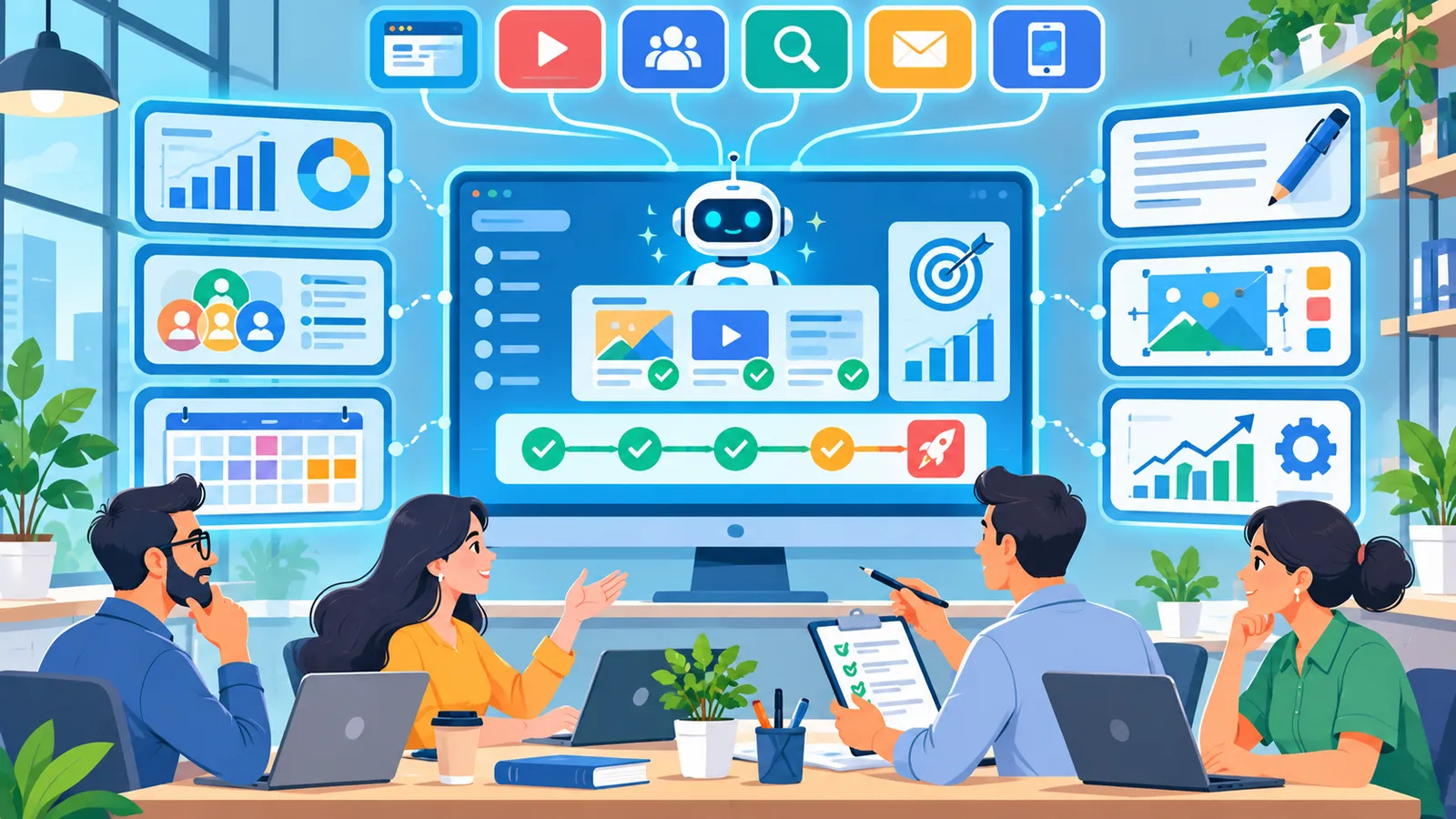
Small Businesses Get an AI Campaign Assistant as InMobi Unveils Accelerate
InMobi has introduced a self-serve advertising platform that uses seven specialised AI agents to help small businesses and agencies plan, build and optimise campaigns across major ad networks from one dashboard. Advertisers retain approval control over campaign plans, creatives and budgets.
India Brings 65 Cultural Portals Into One AI-Powered Search Platform
The Culture Ministry’s new conversational search tool aims to make archives, manuscripts and heritage records easier to explore in 22 Indian languages, with voice features and links to official sources.