
‘Everybody Is From the Village, Shanaya’ Trend Turns Into a Wider Online Debate
A viral Instagram phrase challenging urban snobbery has spread into memes, celebrity reactions and brand posts. The trend has also prompted debate over its use of a woman’s name and how humour intersects with conversations about class, caste and gender.
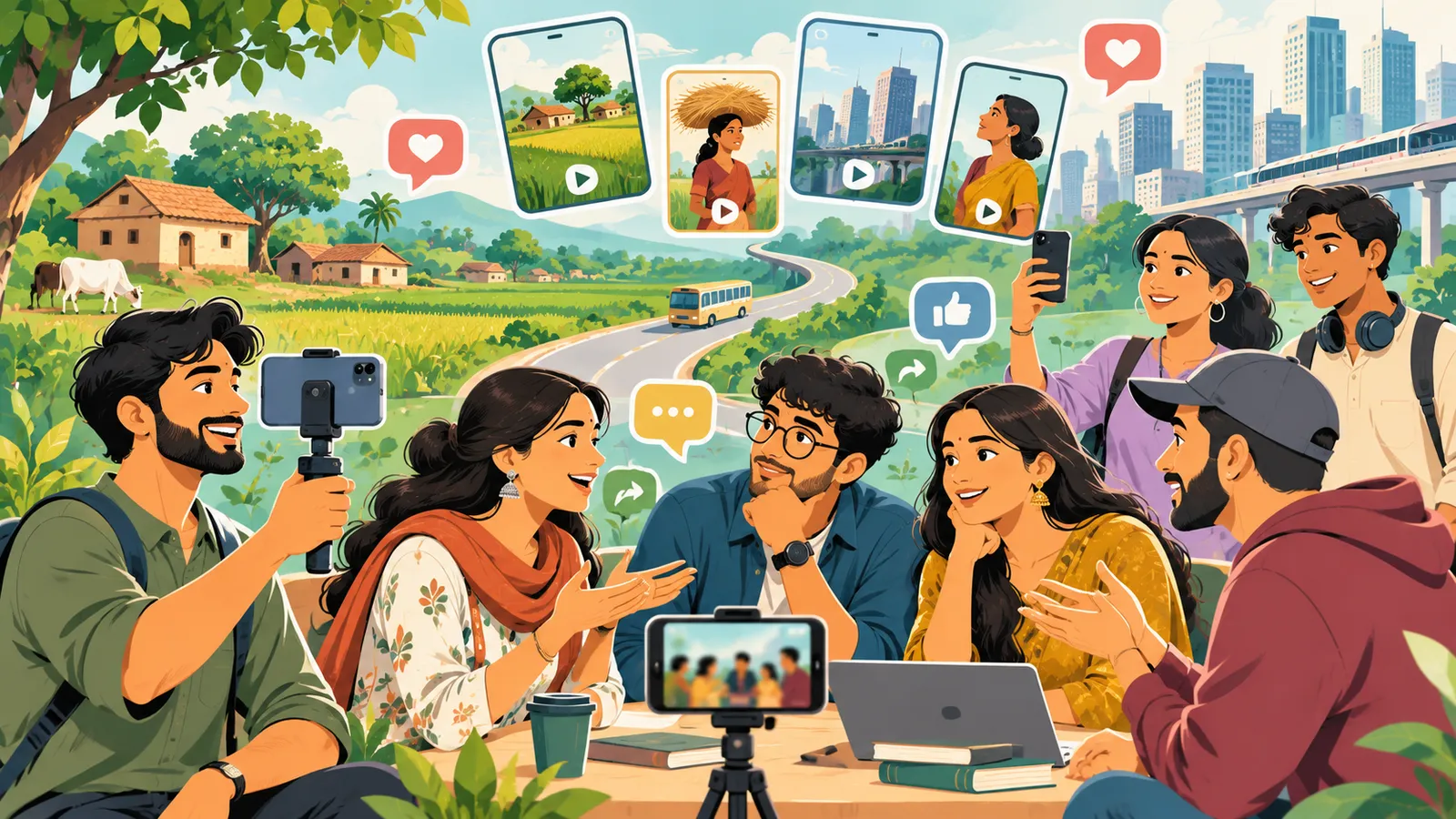
A phrase that began as a pointed response to urban snobbery has grown into one of India’s widely shared social-media formats this week. The “Everybody is from the village, Shanaya” trend has moved from an Instagram video into memes, creator remixes, brand posts and celebrity reactions, while also prompting discussion about class, caste and the way women are represented in online humour.
The original video was posted in April by content creator Divyanshi Chauhan, who posts as @divivocal. It resurfaced and gained broad attention months later. The Indian Express reported on November 19 that the video had crossed 36 million views, with more than two million likes and over 12,000 comments.
How the phrase began
Chauhan’s video responds to the assumption that people who move from villages to cities for education or work are somehow less sophisticated or socially important. By addressing the imagined speaker as “Shanaya”, the creator turns the stereotype around and reminds viewers that urban identity does not erase rural roots.
The core idea resonated because it combines a familiar social experience with a short, repeatable format. Users adapted the setup to talk about other everyday assumptions, including employment, accents and lifestyle preferences. The phrase became a template that creators could reuse while changing the subject of the joke.
From a single video to a social-media format
As the video spread, creators and public figures began using the structure for their own takes. The Indian Express reported that chef Ranveer Brar and other social-media users joined the conversation, while brands also adapted the phrase for promotional posts. The trend’s reach shows how a simple line can become a flexible format when it gives people a recognisable way to comment on shared experiences.
Actor Shanaya Kapoor, whose name became central to the catchphrase, also reacted to the trend in a humorous video. Telangana Today reported that she laughed at the online jokes and made a playful reference to her series, joining the conversation rather than treating the phrase as a direct personal attack.
Why the trend connected with audiences
The trend touches on a familiar divide between metropolitan status and rural background. Migration to cities is often associated with education, work and opportunity, but people who move may also encounter assumptions about their language, clothing, accent or place of origin. The meme offers a quick way to challenge the idea that living in a major city makes someone inherently superior.
Its adaptability is another reason for its reach. The structure can be used to poke fun at many forms of snobbery, making it easy for creators to apply the format to new situations. That flexibility has helped it move beyond the original subject and become a broader commentary format.
The debate over the name and gender
The popularity of the trend has not prevented criticism. Some users questioned why the imagined person being addressed is given a woman’s name, arguing that the joke could reinforce a familiar pattern of targeting women in online commentary. Others have said the criticism overlooks the wider context of the original video, which focuses on class and caste prejudice.
India Today reported on November 20 that Chauhan responded to people describing the trend as misogynistic. She questioned why the use of a woman’s name should automatically be read as an attack on women and argued that gender cannot be separated from the ways caste and class operate in Indian society. The disagreement has become part of the trend’s wider discussion rather than remaining limited to the original meme.
What the trend reveals about internet culture
Viral formats often travel because they allow people to participate without needing to create an entirely new idea. A familiar opening, a recognisable punchline and a space to insert a personal observation can turn a single post into hundreds of variations. In this case, the format has also encouraged people to discuss social hierarchy and the assumptions attached to where someone comes from.
At the same time, the debate illustrates how online humour can be interpreted differently by different audiences. Some viewers see a playful challenge to urban elitism; others focus on the gendered framing. Both the original message and the criticism have contributed to the conversation’s continued visibility.
A viral moment with a longer conversation behind it
The “Everybody is from the village, Shanaya” trend is more than a catchphrase circulating through reels. It has become a vehicle for discussing migration, social status, identity and the language used in public humour. The celebrity response and brand participation have extended its reach, while criticism has added another layer to the debate.
Its popularity may eventually fade as new formats take over social feeds, but the questions it raised are not limited to one meme. The response to the trend shows how internet culture can turn a short joke into a broader conversation about who gets to define sophistication, whose experiences are taken seriously and how social commentary is framed.
Sources
Related stories
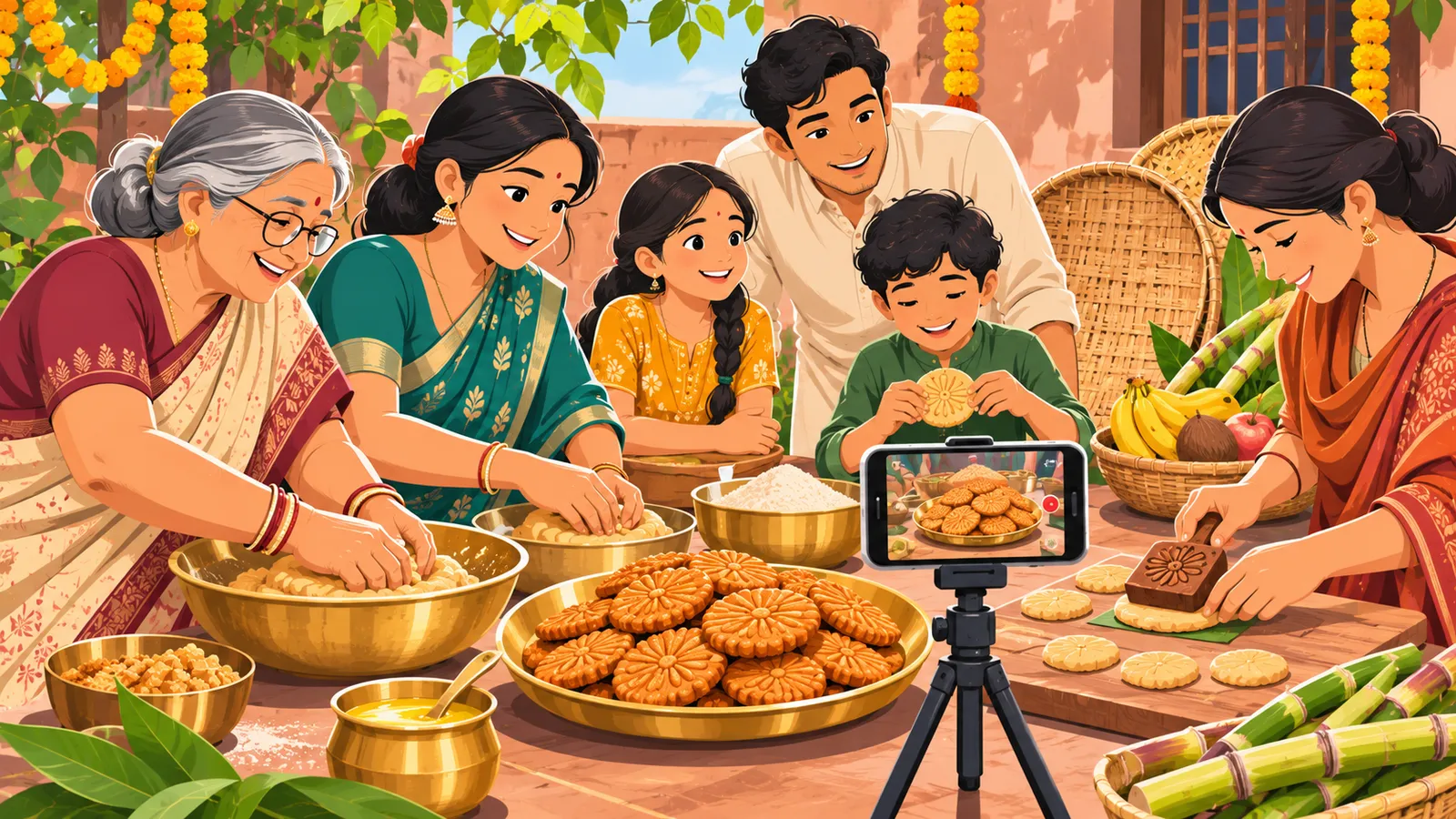
Thekua Videos Cross 57 Million Views as Chhath Puja Food Trend Spreads Online
Traditional thekua-making videos from Bihar, Uttar Pradesh and Jharkhand have drawn 57.5 million social views from 379 creators, according to a November 18 trend analysis. The festival sweet has become a major online food moment, with searches rising sharply as families share recipes and preparation rituals.
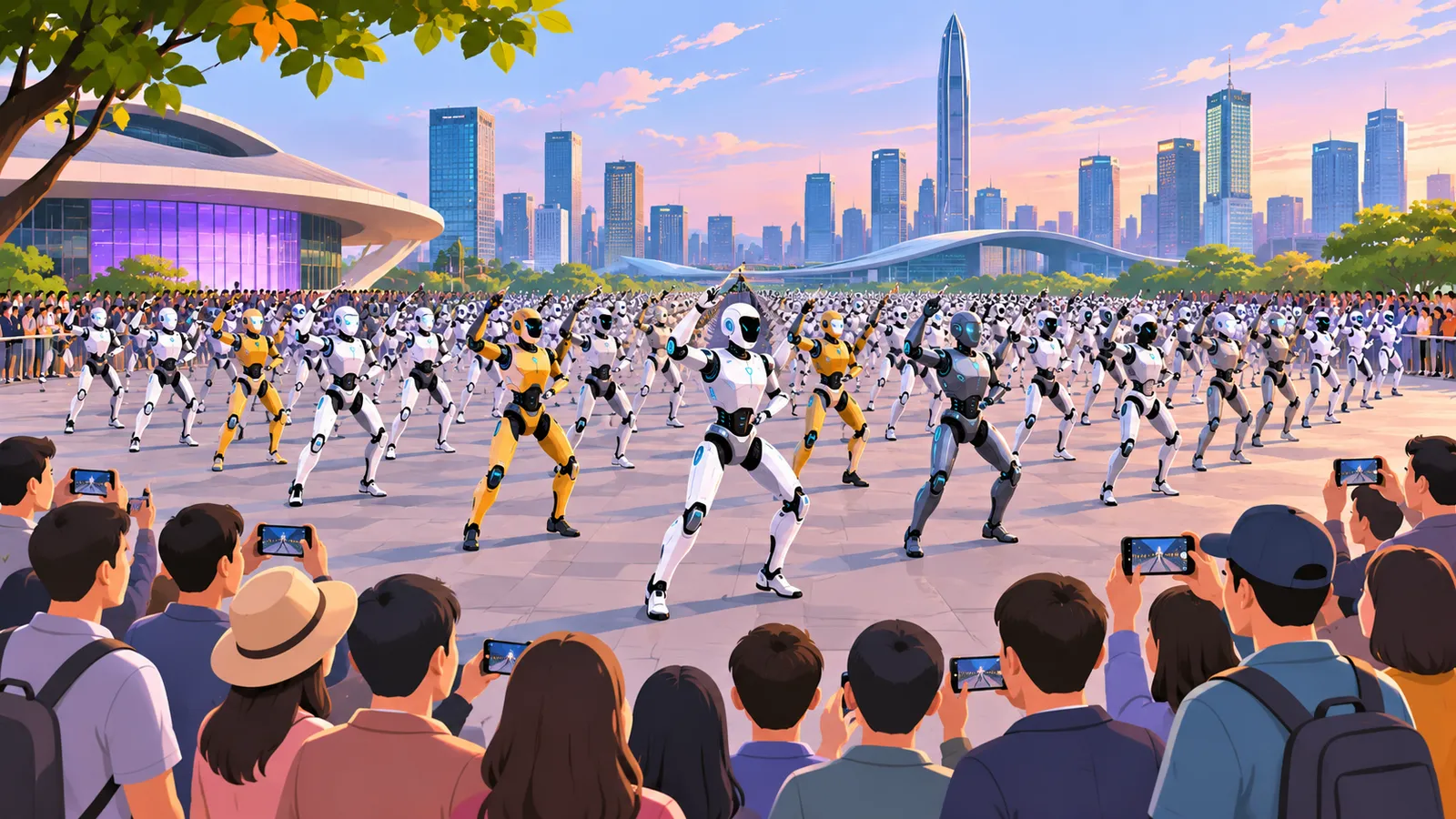
151 Humanoid Robots Dance in Sync in Shenzhen, Setting a Guinness World Record
A group of 151 humanoid robots performed a synchronized dance in Shenzhen ahead of the APEC summit, setting a Guinness World Record and drawing crowds as China showcased its fast-growing robotics industry.

GTA VI Launch Sends India’s Leave Bookings Up 45%, Remote Data Shows
India ranked fourth worldwide for the year-on-year rise in leave bookings around GTA VI’s November 19 launch, with requests reaching 1.45 times the level seen on the same Thursday in 2025. Remote reported a 32% global increase across its workforce platform.

Outlook outage turns office frustration into a wave of Friday memes
A Microsoft 365 disruption on November 12 and 13 prompted social media users to joke about an unexpected break from email and meetings, giving the outage a distinctly internet-driven afterlife.