
SCO Opens Its First Civilisational Dialogue Forum in New Delhi
The Shanghai Cooperation Organisation's first Civilisational Dialogue Forum is scheduled to open at Delhi's Purana Qila on November 20, bringing together cultural representatives, diplomats and scholars for three days of discussions on shared heritage across the region.
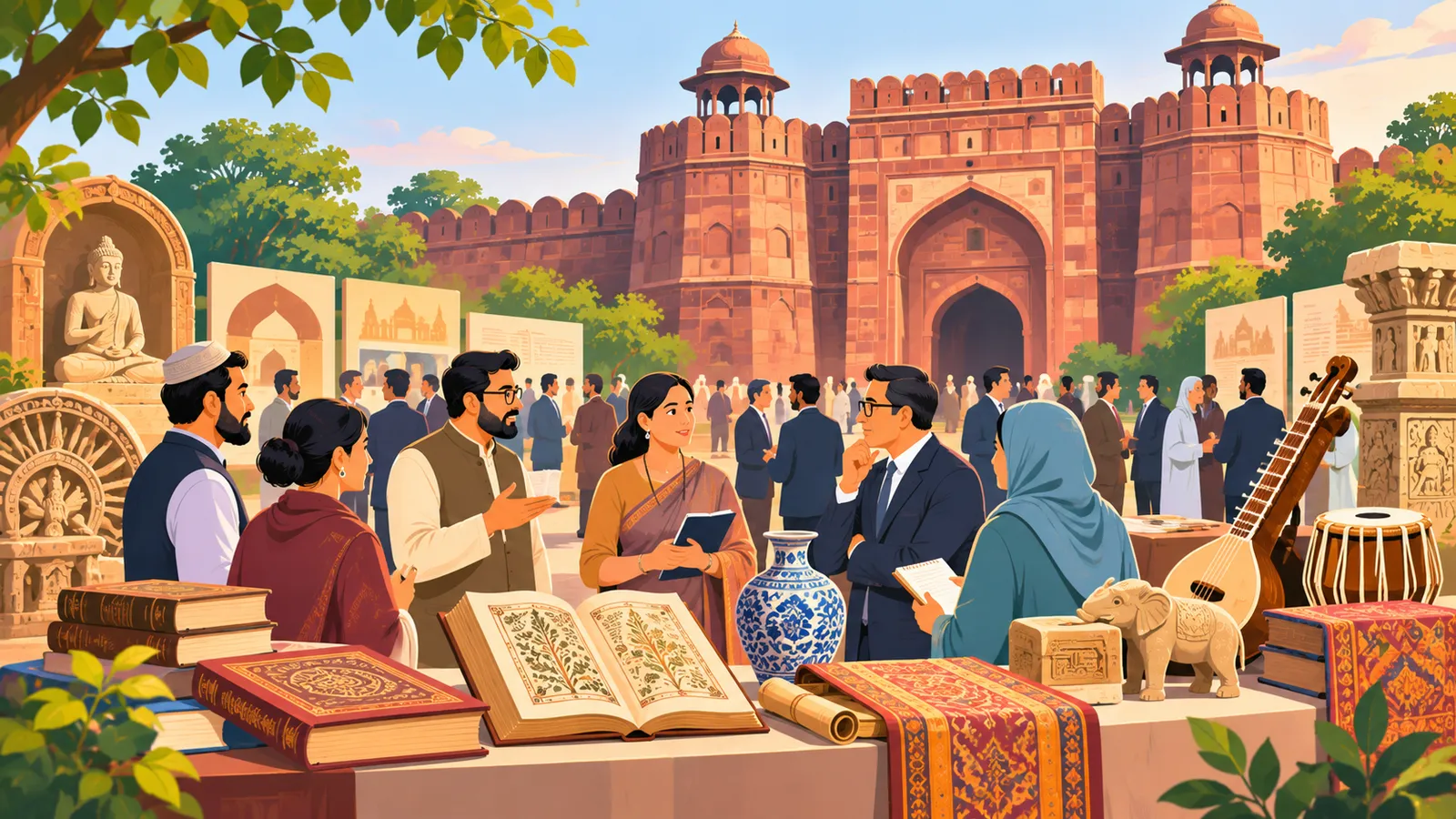
New Delhi is set to host the first Shanghai Cooperation Organisation (SCO) Civilisational Dialogue Forum from November 20 to 22, bringing cultural representatives, diplomats, scholars and academics together to discuss the shared heritage of countries across the regional grouping. Prime Minister Narendra Modi is scheduled to inaugurate the event at Purana Qila on Friday evening.
The forum creates a dedicated cultural and people-to-people platform within the SCO framework. Its stated aim is to explore connections across the region's civilisations, encourage cross-cultural dialogue and strengthen ties beyond formal diplomatic and security cooperation.
From a proposal at the Tianjin summit to a dedicated forum
The initiative follows a proposal made by Modi at the SCO Summit in Tianjin, China, in 2025 to establish a platform for civilisational dialogue. The idea was subsequently welcomed in the Bishkek Declaration of the organisation, according to the Prime Minister's Office.
The SCO brings together countries across Eurasia and provides a forum for cooperation on regional issues. The new dialogue initiative adds a cultural dimension to that engagement, creating space for participants to examine shared histories, traditions and exchanges across national boundaries.
Purana Qila will host cultural and heritage exhibitions
The inaugural programme is scheduled to include a presentation titled “Civilisations in Conversation”, combining music, dance, visual storytelling and narration. The programme is based on the theme “Vasudhaiva Kutumbakam – The World Is One Family” and is intended to highlight cultural links between India and the wider Eurasian region.
An exhibition called “ASTITVA – The Essence of Our Existence” will present archaeological, artistic and literary heritage. The display is expected to trace aspects of Delhi's history through archaeological evidence dating from 1200 BCE to 1200 CE, including excavated remains, artefacts and architectural fragments.
A separate pavilion, “Anant: A Rare 18th Century Mahabharata Scroll”, is also planned to showcase an illustrated manuscript reflecting India's epic and artistic traditions. The choice of Purana Qila provides a historic setting for the event and its focus on heritage.
Four themes will guide the discussions
Four thematic sessions are scheduled for November 21 and 22. They will bring together scholars, subject experts and cultural representatives to discuss cultural expressions such as music, performing arts, textiles, cuisine and traditional games.
Other sessions will examine shared traditions in art and architecture, language and literary heritage, including scripts and manuscripts, as well as monastic routes and philosophical traditions. The agenda gives the forum a broad scope, linking everyday cultural practices with intellectual and religious histories.
Why the cultural track matters for the SCO
Regional organisations often focus on trade, connectivity, security and diplomatic coordination. A civilisational dialogue track can complement those areas by encouraging exchanges among academics, museums, cultural institutions and communities. Such engagement can help participants understand how ideas, artistic forms and traditions have travelled across the region over centuries.
However, the impact of a new forum will depend on whether its first meeting leads to sustained academic partnerships, cultural exchanges and follow-up programmes. A three-day event can establish a framework, but regular participation and practical cooperation will determine whether the initiative becomes a lasting part of the SCO's work.
What to watch during the three-day meeting
Attention will be on the range of participating countries and institutions, the outcomes of the four thematic sessions and any plans for future editions. The exhibitions at Purana Qila will also provide a public-facing element, connecting the diplomatic gathering with India's archaeological and artistic heritage.
For New Delhi, hosting the inaugural forum is an opportunity to present its cultural heritage while supporting a wider regional conversation. The event's longer-term significance will rest on whether it creates durable links between cultural organisations and researchers across the SCO membership.
Sources
Related stories

India Unveils First Indigenous H5N1 Vaccine for Chickens in Bhopal
India has unveiled its first domestically developed inactivated H5N1 vaccine for chickens, targeting clade 2.3.2.1a. Developed by ICAR-NIHSAD in Bhopal, the technology is intended to strengthen poultry disease control, though commercial rollout, pricing and vaccination policy details remain to be announced.

Digital pension verification drive crosses one crore certificates in 17 days
India's fifth nationwide Digital Life Certificate campaign passed one crore submissions by November 18, with more than 75 lakh certificates generated through face authentication.
US agencies speed up counter-drone push nationwide
Several US agencies signed a memo to evaluate and rapidly deploy counter-drone technology, the FAA said, as officials cite growing threats to airspace.
Trump calls Iran war 'effectively over'; Tehran disagrees
After meeting Qatar's prime minister, Trump said Iran's military is finished while keeping a naval blockade; Iranian officials dismissed his claims.