
World AMR Awareness Week Puts Responsible Medicine Use in Focus
The 2026 global campaign highlights how antimicrobial resistance connects human health, animal health, food systems and the environment under a One Health approach.
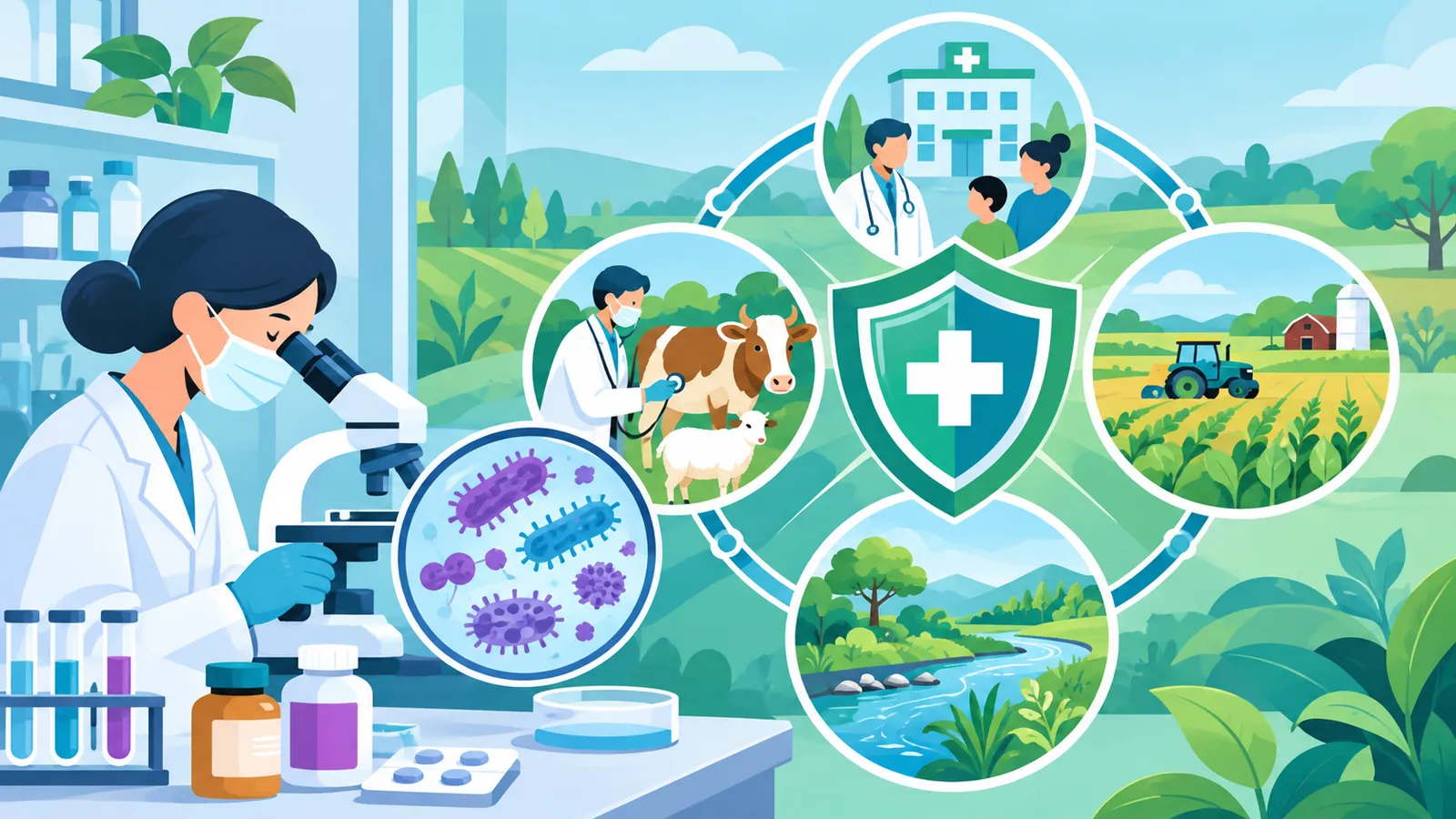
World Antimicrobial Resistance Awareness Week is being observed from November 18 to 24, 2026, with the theme “One Health, one action: Prevent AMR now”. The campaign, led globally by the World Health Organization and supported by national health authorities, aims to improve understanding of drug resistance and encourage action across human, animal and environmental health.
What antimicrobial resistance means
Antimicrobial resistance occurs when bacteria, viruses, fungi or parasites change in ways that make medicines less effective against them. As resistance increases, infections can become harder to treat and routine medical procedures may carry greater risks. The WHO notes that antibiotics are only one part of the issue; resistance can affect several classes of medicines used against different pathogens.
Resistance can emerge and spread through multiple pathways. Inappropriate or unnecessary use of antimicrobial medicines can contribute to the problem, while weak infection prevention, poor sanitation and gaps in surveillance can make it harder to contain resistant organisms. The issue is not limited to hospitals: agriculture, food production and the wider environment are also relevant.
Why the One Health approach matters
The 2026 theme stresses that human health is connected to animal health, food systems and ecosystems. Resistant organisms can move across these settings, which means solutions require coordination rather than isolated action by one sector. Health services, veterinary professionals, farmers, laboratories and public agencies all have roles in reducing avoidable risk.
India’s Health Ministry marked the awareness week with a national observance in New Delhi and called for responsible antimicrobial use and stronger infection-prevention practices. Public awareness is important, but policy, access to diagnostics, reliable surveillance and professional stewardship are also needed.
Practical steps and limits
People should use antibiotics and other prescription antimicrobials only when prescribed by a qualified health professional and follow the instructions they receive. Antibiotics do not treat viral infections such as common colds. Individuals should not share medicines or use leftover prescriptions as a substitute for medical advice.
Awareness campaigns cannot solve antimicrobial resistance on their own. Progress depends on sustained investment in infection prevention, clean water and sanitation, laboratory capacity, research and responsible use across sectors. The One Health message is a reminder that protecting the effectiveness of medicines is a shared public responsibility.
Sources
Related stories

WHO Seeks Public Feedback on New Model for Assessing Packaged Foods
The World Health Organization has opened a consultation on a draft food-profiling model that combines nutrient criteria with selected ingredients used for flavour, colour and sweetness.

India Moves to Tighten Medicine Storage Rules From Warehouse to Pharmacy
The Union Health Ministry has proposed adding Good Storage and Distribution Practices to the Drugs Rules, 1945. The framework would set clearer expectations for procurement, storage, transport, records and traceability across the pharmaceutical supply chain.

Apple opens US research programme to test how people interpret health AI answers
Apple and OpenEvidence have launched a US research study that will examine how up to 200,000 adults use conversational health AI, assess its answers and understand clinical information.

Apple opens US study to examine how people understand and trust health AI
Apple and OpenEvidence have launched a US research study that will examine how up to 200,000 adults use conversational health AI, assess its answers and understand clinical information.